Modern businesses rely heavily on technology to support daily operations, communication, and data storage. From small offices to large enterprise environments, the infrastructure that houses networking and server equipment plays a critical role in performance and reliability. Choosing the right data cabinets is not just a technical decision, but a strategic one that can affect scalability, security, and long-term efficiency. Understanding what to look for helps ensure your setup supports current needs while allowing room for future growth.
Data cabinets are designed to organize, protect, and manage sensitive IT equipment such as servers, switches, patch panels, and power distribution units. Selecting the wrong cabinet can lead to overcrowding, overheating, difficult maintenance, and unnecessary downtime. By evaluating your environment, equipment requirements, and operational goals, you can make an informed decision that supports your business for years to come.
Understanding the Purpose of Data Cabinets
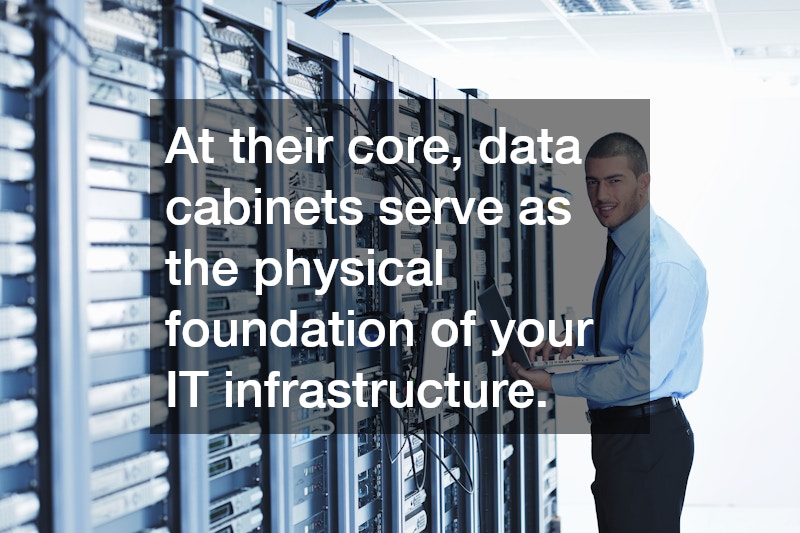
At their core, data cabinets serve as the physical foundation of your IT infrastructure. They provide a structured enclosure for housing networking and server equipment while keeping cables organized and accessible. Properly selected data cabinets help reduce clutter, improve airflow, and create a safer working environment for IT staff.
Beyond organization, these cabinets also offer protection. Lockable doors and side panels help prevent unauthorized access, while sturdy construction shields equipment from accidental damage. For businesses handling sensitive information, choosing secure data cabinets is a key part of maintaining data integrity and compliance.
Evaluating Cabinet Size and Capacity
One of the first considerations when choosing data cabinets is size. Cabinets are typically measured in rack units, which indicate how much vertical space is available for equipment. It is important to account not only for current hardware but also for future expansion when determining the appropriate capacity.
Overcrowding a cabinet can restrict airflow and make maintenance difficult. Selecting data cabinets with additional space allows for easier upgrades, better cable management, and reduced strain on equipment. Planning ahead helps avoid the need for costly replacements as your business grows.
Considering Cooling and Airflow Requirements
Heat management is a major factor in maintaining reliable IT systems. Servers and networking equipment generate significant heat, and inadequate ventilation can lead to performance issues or hardware failure. Well-designed data cabinets support proper airflow through vented doors, side panels, or compatibility with cooling accessories.
Businesses should assess whether passive airflow is sufficient or if active cooling solutions are required. Choosing data cabinets that accommodate fans or integrate with existing cooling systems helps maintain stable operating temperatures and extend the lifespan of critical equipment.
Selecting the Right Cabinet Depth and Width
Not all IT equipment has the same physical dimensions. Some servers and power components require deeper cabinets, while others may need additional width for cable routing or accessories. Ensuring compatibility between your equipment and cabinet dimensions is essential.
Data cabinets with adjustable mounting rails offer greater flexibility for different hardware types. This adaptability allows businesses to reconfigure layouts as technology changes, reducing limitations and improving long-term usability.
Security Features and Access Control
Protecting valuable hardware and sensitive data is a priority for any business. Data cabinets often include locking front and rear doors, as well as removable or lockable side panels. These features help control who can access equipment and reduce the risk of tampering or theft.
For environments with multiple users or shared spaces, advanced security options may be beneficial. Selecting data cabinets that support access control systems or monitoring can add an extra layer of protection and accountability.
Cable Management and Organization
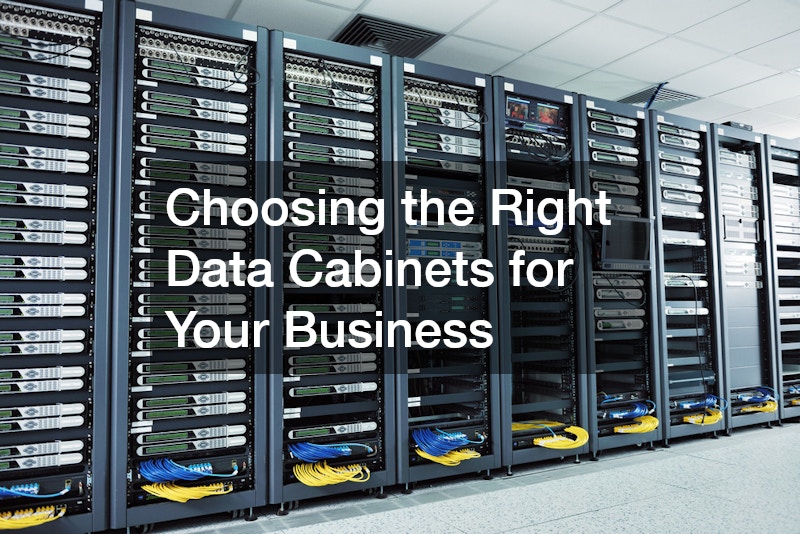
Efficient cable management is critical for both performance and maintenance. Poorly organized cables can restrict airflow, complicate troubleshooting, and increase the risk of accidental disconnections. High-quality data cabinets include features such as cable routing channels, tie-down points, and removable panels to simplify organization.
Well-managed cabling also improves visibility and accessibility. This makes routine maintenance faster and reduces downtime during upgrades or repairs. Choosing data cabinets with strong cable management capabilities supports cleaner, more efficient operations.
Compatibility With Power and Accessories
Power distribution is another important consideration. Many data cabinets are designed to accommodate power distribution units, uninterruptible power supplies, and grounding components. Ensuring compatibility with these accessories helps create a reliable and safe power setup.
Businesses should also consider additional accessories such as shelves, drawers, and monitoring systems. Data cabinets that support a wide range of accessories provide greater flexibility and customization, allowing the setup to evolve alongside business needs.
Environmental and Installation Considerations
The physical environment where the cabinet will be installed matters. Factors such as floor load capacity, available space, and room layout all influence cabinet selection. In some cases, wall-mounted options may be appropriate, while other environments require freestanding enclosures.
Data cabinets should also be easy to install and service within the available space. Removable panels, adjustable feet, and compatibility with raised flooring can simplify installation and ongoing maintenance.
Balancing Cost With Long-Term Value
While budget is always a consideration, focusing solely on upfront cost can lead to problems down the line. Lower-quality cabinets may lack proper airflow, durability, or expandability. Investing in well-built data cabinets often provides better long-term value by reducing maintenance issues and supporting growth.
A thoughtful selection process balances cost, performance, and future needs. Choosing data cabinets that align with your business goals helps create a reliable infrastructure that supports productivity and minimizes risk.
Selecting the right data cabinets is a foundational decision for any business that relies on technology. By considering size, cooling, security, and flexibility, organizations can build an infrastructure that is efficient, scalable, and secure. A well-chosen cabinet not only protects valuable equipment but also supports smoother operations and long-term success.