Workplace disputes are an inevitable part of running any organization. Differences in communication styles, misunderstandings, performance concerns, and conflicts between employees or between employees and management can all lead to tension within a business. When these issues are not addressed properly, they can escalate into more serious problems that affect productivity, morale, and even legal compliance.
Traditional approaches to resolving workplace disputes have often relied on formal complaints or litigation. While these methods can be effective in certain situations, they are often time-consuming, costly, and stressful for everyone involved.
As a result, many organizations are turning to alternative methods that focus on collaboration and resolution rather than confrontation.
One of the most effective approaches is mediation employment law, which provides a structured yet flexible way to resolve disputes with the help of a neutral third party. This process emphasizes communication, understanding, and mutually agreeable outcomes rather than assigning blame or imposing decisions. By focusing on resolution instead of conflict, mediation helps maintain professional relationships and supports a healthier workplace environment.
Understanding Workplace Mediation
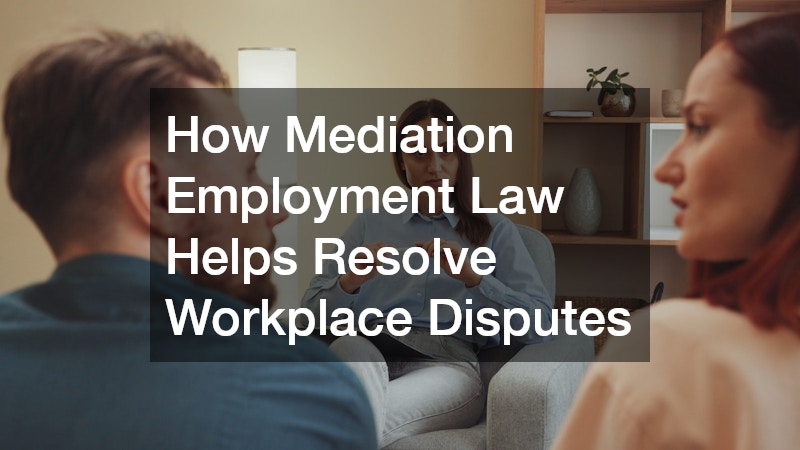
Mediation is a voluntary process in which a neutral third party, known as a mediator, facilitates discussions between disputing parties. The mediator does not make decisions or impose solutions. Instead, they guide the conversation, help clarify issues, and encourage both sides to work toward a mutually acceptable resolution.
In the context of workplace disputes, mediation can address a wide range of issues, including interpersonal conflicts, harassment claims, disciplinary disagreements, and contract disputes. It is often used as an early intervention tool before conflicts escalate into formal legal action.
The process typically involves confidential discussions, either in joint sessions or separate meetings, depending on the situation. This confidentiality encourages open communication, allowing participants to speak freely without fear that their statements will be used against them later.
Encouraging Open Communication
One of the key benefits of mediation is its ability to foster open and honest communication between parties. In many workplace disputes, misunderstandings or lack of communication are at the root of the problem. Mediation provides a safe and structured environment where both sides can express their perspectives without interruption or judgment.
A neutral mediator helps ensure that each party has an opportunity to be heard. This balanced approach reduces defensiveness and promotes active listening. As a result, participants are often better able to understand each other’s viewpoints and identify common ground.
In many cases, simply having a facilitated conversation can lead to a resolution. The process encourages empathy and collaboration, which are essential for rebuilding trust and improving workplace relationships.
Reducing Costs and Time
Litigation can be expensive and time-consuming, often requiring legal representation, court fees, and extended periods of uncertainty. In contrast, mediation is typically more cost-effective and can be completed in a shorter timeframe.
Organizations that incorporate mediation employment law into their dispute resolution strategies often experience fewer disruptions to their operations. Because mediation sessions can be scheduled relatively quickly, issues are addressed before they escalate into larger problems that require extensive resources to resolve.
In addition to direct financial savings, mediation also reduces indirect costs such as lost productivity, employee turnover, and damage to company reputation. By resolving disputes efficiently, businesses can maintain focus on their core operations and avoid unnecessary distractions.
Preserving Workplace Relationships
Maintaining positive working relationships is essential for a productive and collaborative environment. When disputes are handled through adversarial processes like litigation, relationships between employees or between employees and management can become strained or permanently damaged.
Mediation, on the other hand, is designed to preserve relationships by focusing on cooperation rather than conflict. Because the process encourages dialogue and mutual understanding, participants are more likely to leave with a sense of closure and respect for one another.
This approach is particularly valuable in workplaces where individuals must continue working together after the dispute is resolved. By addressing issues constructively, mediation helps prevent lingering resentment and supports a more cohesive team dynamic.
Improving Employee Morale and Retention
A workplace that effectively handles disputes tends to have higher levels of employee satisfaction and morale. When employees feel that their concerns are taken seriously and resolved fairly, they are more likely to remain engaged and committed to their roles.
Mediation contributes to a positive workplace culture by promoting fairness, transparency, and respect. Employees who experience a constructive resolution process are less likely to feel alienated or dissatisfied.
This can also have a direct impact on employee retention. Organizations that prioritize effective conflict resolution are better positioned to retain talent, reduce turnover, and maintain a stable workforce.
Workplace disputes are a natural part of any organization, but how they are handled can make a significant difference in overall business success. Mediation offers a practical and effective alternative to traditional dispute resolution methods by focusing on communication, collaboration, and mutually beneficial outcomes.
By utilizing mediation employment law, businesses can address conflicts in a way that reduces costs, preserves relationships, and minimizes legal risks. The process provides a structured yet flexible framework that allows parties to work together toward solutions that meet their needs.
In addition to resolving individual disputes, mediation also contributes to a healthier workplace culture. It encourages open dialogue, supports fairness, and helps build trust among employees and management. Over time, these benefits create a more productive and positive work environment.
Ultimately, mediation is not just a tool for resolving disputes—it is a strategy for improving how organizations handle conflict as a whole. By integrating mediation into their approach, businesses can create stronger teams, reduce disruptions, and maintain a more stable and efficient workplace.