The allure of purchasing an abandoned property is undeniably powerful. Whether you are walking through a foreclosed “zombie” residential home with overgrown lawns or standing inside the cavernous, echoing shell of a vacant commercial warehouse, the romantic idea of bringing a dying structure back to life captures the imagination of ambitious investors and prospective homeowners alike. Television shows and social media reels often compress this complex journey into a neat, easily digestible montage, making the process look like a simple matter of tearing down some drywall and picking out modern paint colors. The reality, however, is a profoundly different and highly complicated endeavor. Coupled with the dream of a massive return on investment or the acquisition of a dream property at a fraction of market value, the temptation to jump straight into cosmetic updates is incredibly strong.
However, you must ground your expectations in reality. Abandoned properties are notorious for hiding incredibly expensive secrets. When a building sits vacant—whether for six months or six years—it stops fighting the battle against nature. Without continuous climate control, regular maintenance, and a watchful eye, entropy takes over rapidly. Water finds its way in, pests take up residence, and structural components begin to degrade at an accelerated pace. If you dive into an abandoned property rehabilitation without a strict, disciplined, and phased approach, your initial budget can spiral out of control within the very first month.
The successful transformation of a vacant building relies entirely on a methodical, unemotional sequence of operations. This article advocates for a rigid “stabilize, seal, and systemize” approach. By adhering to this sequencing, you protect your investment capital from being wasted on further decay. You will learn why invisible infrastructure must always precede visible finishes, why establishing safety is your first and only priority upon closing, and how to effectively sequence the myriad professionals required to execute a large-scale revamp. By mastering this blueprint, you will be equipped to turn a dilapidated liability into a highly profitable, structurally sound, and beautiful asset.
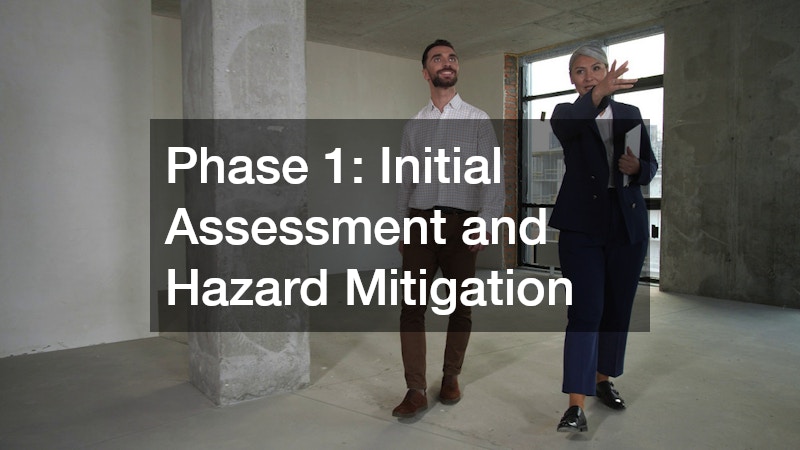
Phase 1: Initial Assessment and Hazard Mitigation
Conduct a Comprehensive Health and Safety Audit
When you take possession of an abandoned property, the very first step is not planning a new layout; it is ensuring that the building will not cause physical harm to you or your future construction teams. A property left without electricity, heating, or air conditioning for extended periods is highly likely to be harboring severe biological and chemical hazards. Stagnant air combined with moisture intrusion creates a perfect storm for rapid decay and dangerous micro-environments.
Before you even think about swinging a sledgehammer, you need to understand exactly what you are breathing in and what structural elements might fail beneath your feet. Airborne hazards are invisible but incredibly costly to deal with if disturbed improperly. Asbestos and lead paint are common in older properties, but biological growth is the most immediate threat in an abandoned space. Stagnant water from minor roof leaks or residual plumbing condensation can saturate drywall and floorboards, leading to massive fungal colonies.
-
Actionable Advice: Do not send an unequipped demolition crew into a musty, abandoned building. Your very first hire should be a certified mold remediation contractor to perform comprehensive air quality testing and surface swabbing. They have the specialized containment equipment, negative air scrubbers, and protective gear required to safely remove toxic spores, tear out rotting drywall, and treat compromised wooden joists without spreading dangerous particulates into the rest of the structure.
-
Establish Temporary Power and Lighting: Alongside hazard mitigation, you must work with the local municipality to establish temporary utility poles or bring in heavy-duty generators. You cannot properly assess a dark, hazardous property. High-lumen, temporary LED lighting strings must be installed throughout the structure to illuminate tripping hazards, exposed nails, and open floor joists.
Stop Active Water Leaks and Assess Core Utilities Immediately
Controlling water is the absolute most critical component of the stabilization phase. The majority of structural damage in vacant buildings does not come from age; it comes from unchecked water intrusion. In regions that experience freezing temperatures, the failure to properly winterize a vacant building often results in catastrophic damage. When water freezes inside supply lines, the pipes expand and burst. Once the thaw comes, thousands of gallons of water can flood the property, destroying subfloors, ruining electrical panels, and compromising the foundation.
-
Actionable Advice: On day one of your stabilization phase, bring in a licensed plumbing contractor to perform a thorough diagnostic of the building’s water and sewer infrastructure. They will need to cap off any active leaks, pressure-test the main supply lines to identify hidden bursts behind walls, and critically, use a fiber-optic camera to scope the underground sewer lateral. Tree roots frequently crush the sewer lines of abandoned properties, which is a massive expense you need to identify immediately.
-
Implement Temporary Drainage Solutions: If the gutters are hanging off the building or the downspouts are missing, rainwater is likely pooling directly against the foundation, leading to hydrostatic pressure and basement flooding. Immediately reattach or replace downspouts and add long extension pipes to direct all rainwater at least ten feet away from the building’s perimeter.
Phase 2: Securing the Exterior Envelope
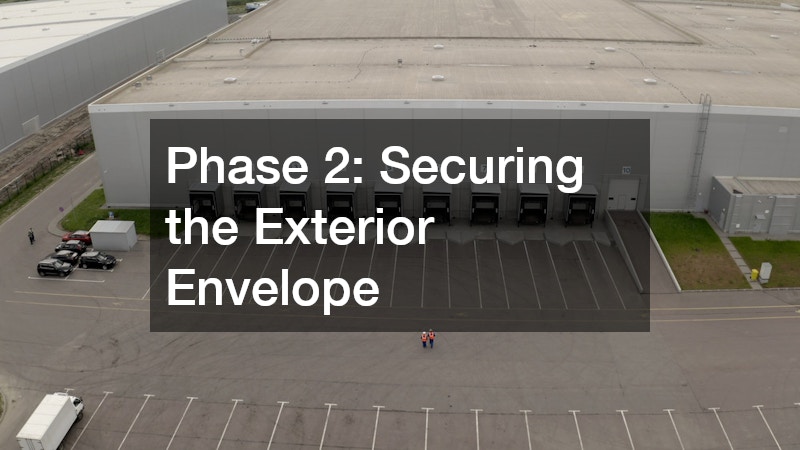
Make the Structure Watertight from the Top Down
Once the interior health hazards are neutralized and the core utilities are stabilized, your immediate priority shifts to the building’s “envelope.” The envelope consists of the roof, walls, windows, and foundation. Its sole purpose is to act as a barrier between the unpredictable exterior climate and the controlled interior environment. If the envelope is compromised, any money you spend on the interior of the property is at severe risk of being destroyed by the next heavy rainstorm.
You must protect the structure from the top down. The roof of an abandoned property has usually suffered years of neglect. Missing shingles, brittle flashing around chimneys, and degraded commercial membranes allow water to seep slowly into the attic space, rotting the trusses and saturating the insulation.
-
Actionable Advice: Do not rely on a simple visual inspection from the ground. You must aggressively vet local roofing contractors based on their willingness to perform a deep structural inspection of the roof deck. It is highly advised to avoid any professional who offers to simply layer new shingles over the old ones on an abandoned property. Insist that your contract includes the complete tear-off of old materials so that the underlying plywood sheathing can be inspected for rot and replaced as needed.
-
Upgrade Roof Vulnerabilities: Ensure that the new installation includes modern defensive materials, such as high-grade ice and water shield underlayments placed in the roof valleys and along the eaves. For commercial buildings with flat roofs, consider upgrading from older built-up roofing to modern, continuous TPO or EPDM membranes that offer superior longevity and seam integrity.
Seal the Vertical Exterior Against the Elements
With the top of the building completely secure, your focus must naturally move down the vertical planes—the exterior walls. Much like a roof, exterior walls do more than just provide structural support; they are vital in preventing thermal bridging (the transfer of cold or heat through the building materials) and stopping wind-driven rain from penetrating the interior framing. On an abandoned property, exterior cladding is often cracked, warped, or entirely missing, leaving the fragile wooden framework exposed to rot and insect infestation.
Modern building science has advanced significantly, and rehabbing an abandoned property gives you the opportunity to upgrade the building’s exterior to contemporary energy standards. This involves wrapping the building in synthetic, semi-permeable moisture barriers that block liquid water from entering but allow interior water vapor to escape.
-
Actionable Advice: Schedule a reputable siding contractor to commence work immediately after the roof has been signed off by inspectors. Their first task should be to repair any rotted OSB or plywood sheathing on the exterior walls. Following this, they must meticulously apply and tape a high-quality house wrap. Once the building is fully “shrink-wrapped,” they can install the final exterior cladding, ensuring that all windows and doors are perfectly flashed to create an unbroken shield against the elements.
-
Address Window and Door Penetrations: While dealing with the exterior walls, all windows and exterior doors on the abandoned property must be evaluated. Original, single-pane windows or rusted commercial steel doors should be entirely replaced with double-paned, argon-filled, energy-efficient units before the final exterior cladding is applied around them.
Phase 3: Core Mechanical Systems Rejuvenation
Assess and Modernize Cooling Infrastructure
As the exterior envelope is locked down, you can safely turn your attention back to the interior infrastructure. The mechanical systems—heating, ventilation, and air conditioning (HVAC)—are the beating heart of any functional building. In an abandoned property, these systems have usually suffered immensely from lack of use.
There is a severe danger in simply turning on the breakers and firing up an old, abandoned HVAC unit. Over years of vacancy, the motors can seize, the electrical contacts can corrode, and the exterior compressor coils can become completely choked with dirt and overgrown vegetation. Attempting to run a compromised system can lead to electrical shorts, catastrophic motor failure, or blowing a cloud of hazardous, dusty debris directly into the freshly mitigated property.
-
Actionable Advice: Bring in specialized commercial or residential ac contractors to perform a granular evaluation of the existing equipment. If the unit is more than a decade old, it likely uses outdated, phased-out refrigerants like R-22, making repairs financially impractical. Advise your professional to perform a Manual J load calculation. Since you have likely upgraded the building’s insulation and windows during the rehab, the heating and cooling load requirements will have changed drastically. You must ensure the new cooling unit is properly sized; an oversized unit will short-cycle and fail to remove humidity, while an undersized unit will run constantly and drive up utility bills.
Plan for Year-Round Temperature Stability
Cooling is only half of the mechanical equation. Depending on the geographic location of the abandoned property, reliable heating infrastructure is an absolute necessity, not just for the comfort of future occupants, but to protect the building itself from the freezing temperatures that originally caused its pipes to burst. Older heating systems in abandoned buildings are notoriously inefficient and often present grave safety hazards.
Older gas furnaces, in particular, must be treated with extreme caution. The heat exchanger, the metal component that separates the combustion exhaust from the breathable air blown into the building, can easily rust and crack during years of inactivity.
-
Actionable Advice: Thoroughly interview experienced furnace contractors to determine the safest and most cost-effective path forward. They must use specialized cameras to inspect the heat exchanger for hairline cracks. If a crack exists, the unit is a major carbon monoxide risk and must be condemned immediately. Work with your professional to evaluate whether it is best to install a modern, high-efficiency condensing gas furnace, or if it is more advantageous to transition the property entirely to a highly efficient electric heat pump system, which can handle both heating and cooling duties while lowering the property’s overall carbon footprint.
-
Consider Zoned Heating: For large commercial spaces or sprawling residential properties, discuss implementing a zoned heating system. This involves installing motorized dampers within the ductwork, allowing you to heat only the occupied spaces, significantly lowering operational overhead.
Phase 4: Optimizing Airflow and Thermal Efficiency
Purify the Respiratory System of the Building
If the mechanical units are the heart of the building, the ductwork is its respiratory system. This network of metal and flexible tubes is responsible for delivering conditioned air to every corner of the property. In abandoned buildings, ductwork is highly problematic. Over the years, these dark, quiet tunnels become highways and nesting grounds for rodents, birds, and insects. Furthermore, heavy layers of construction dust, dead skin cells, and microbial growth settle thickly on the interior walls of the ducts.
If you install a brand-new, high-efficiency HVAC unit but connect it to dirty, compromised ductwork, you instantly contaminate the pristine air the unit produces. Additionally, older ductwork in vacant properties is often leaky, meaning you could be blowing expensive conditioned air directly into uninsulated attics or crawlspaces.
Actionable Advice: Before you allow a single drop of paint to be applied to the interior walls, hire a specialized professional. An air duct cleaning and repair service will utilize high-powered, truck-mounted vacuum systems and rotary brushes to aggressively scrub the interior of the entire network. More importantly, an air duct contractor will identify and repair disconnected joints, sealing the seams with durable mastic sealant. Finally, they should sanitize the entire system with an antimicrobial fog to ensure no lingering odors or spores remain.
Evaluate Return Air Pathways: Ensure that the property has adequate return air vents. Older buildings often lack sufficient pathways for air to return to the HVAC unit, creating pressure imbalances that make certain rooms impossible to heat or cool evenly.
Lock in Thermal Efficiency to Lower Operating Costs
With the mechanical systems modernized and the respiratory system purified, your next goal is to trap that expensive conditioned air inside the building. Abandoned properties—particularly those built before the 1980s—often feature abysmal energy standards. They bleed money through under-insulated walls, bare attic floors, and drafty rim joists. Upgrading the thermal envelope is not a glamorous task; it is hidden behind drywall and tucked away in dark attics. However, it yields one of the highest returns on investment by drastically reducing monthly utility overhead and making the building significantly more attractive to future buyers or commercial tenants.
-
Actionable Advice: Bring in professional insulation contractors to perform a comprehensive energy audit, which should include a blower door test. This test involves placing a powerful fan in an exterior doorway to depressurize the building, revealing exactly where invisible air leaks are occurring.
-
Choose the Right Material: Guide your strategy based on the specific needs of the building’s cavities. Use closed-cell spray foam in the basement rim joists and open wall cavities to provide maximum R-value and a rigid vapor barrier. For expansive, open attics, blowing in thick layers of cellulose or laying deep fiberglass batts is often the most cost-effective way to achieve modern thermal resistance standards. Do not close up the drywall until the local inspector has verified that your thermal upgrades meet or exceed current municipal codes.
Phase 5: Upgrading Exterior Amenities and Accessibility
Expand Usable Square Footage Outdoors
Once the interior of the property is stabilized, modernized, and highly efficient, you can begin focusing on the elements that actively drive up the property’s valuation and market appeal. In modern real estate—whether you are dealing with a residential flip or a commercial hospitality space like a cafe or restaurant—creating a seamless transition between indoor and outdoor living is a massive value multiplier.
Abandoned properties usually have overgrown, unusable exterior spaces. By reclaiming these areas, you effectively expand the usable square footage of the property without the exorbitant costs of building a fully conditioned, roofed addition.
-
Actionable Advice: Work closely with a skilled deck contractor to conceptualize and execute structurally sound outdoor living spaces. For a residential property, this might be a sprawling, multi-tier composite deck for entertaining. For a commercial space, it could be an expansive dining patio. Ensure that your professional handles all local permitting, as outdoor structures require deep, concrete footings that must sit below the geographic frost line to prevent the structure from heaving and cracking during the winter freeze-thaw cycles.
-
Incorporate High-End Features: To truly make the property stand out, consider integrating built-in outdoor lighting, structural pergolas for shade, or routing gas lines during the framing stage to accommodate future outdoor kitchens or commercial fire features.
Ensure Safe and Compliant Vehicle Access
The final major piece of the property revamp is addressing the approach. The exterior hardscaping, specifically the vehicle access areas, dictates the very first impression a buyer, tenant, or customer will have of the property. A beautifully rehabbed building loses massive appeal if the approach requires navigating around a crumbling, weed-choked, pothole-riddled expanse of old asphalt.
Beyond simple aesthetics, the parking and driveway areas carry massive liability and compliance implications. Potholes are tripping hazards, and improper grading can funnel thousands of gallons of stormwater directly into your newly finished basement or commercial ground floor.
-
Actionable Advice: For larger residential driveways or commercial retail lots, you must hire experienced parking lot contractors. They have the heavy industrial equipment required to mill away the old, degraded surface. They will re-grade the underlying gravel base to ensure precise stormwater management, directing water away from the foundation and into municipal catch basins. Once the grading is perfect, they will lay down a fresh, thick layer of asphalt.
-
Ensure Legal Compliance: For commercial properties, this phase is highly regulated. Your professionals must be intimately familiar with the Americans with Disabilities Act (ADA) guidelines. They must ensure the slope of the pavement meets legal requirements, install the proper concrete ramps, and paint highly visible, compliant striping to designate accessible parking spaces and fire lanes. Failing to execute this correctly can prevent the municipality from issuing your final certificate of occupancy.
Finalize the Blueprint for a Profitable Transformation
Bringing an abandoned property back from the brink of ruin is an incredibly challenging but deeply rewarding process. It requires a unique combination of visionary thinking, financial discipline, and a willingness to respect the physics of building science. As we have detailed throughout this guide, the true secret to avoiding financial ruin on these massive projects lies in a philosophy of patient capital.
You must conquer the urge to rush into the fun, aesthetic phases of the rehab. A successful transformation is built entirely on disciplined sequencing: aggressively mitigating biological hazards, ruthlessly locking down the exterior envelope against water intrusion, meticulously modernizing the hidden mechanical infrastructure, and optimizing thermal efficiency before a single piece of decorative trim is installed. Prioritizing these invisible, structural elements ensures that your investment stands on a rock-solid foundation, protecting it from future decay.
If you are ready to take on the challenge of a vacant property, preparation is your greatest asset. Start building your initial assessment checklists today, familiarize yourself with local zoning and building codes, and begin networking with structural specialists before you even close on a property. By adhering to a logical, phased approach, you can successfully navigate the chaos of an abandoned building and emerge with a highly profitable, beautiful, and enduring piece of real estate.