Disasters rarely give notice before striking a commercial facility. Whether a sudden severe storm batters a region, a municipal water main ruptures in the dead of night, or an unexpected winter freeze paralyzes local energy grids, commercial property owners and facility managers face immense pressure when unexpected events unfold. An emergency situation can rapidly disrupt core business operations, jeopardize tenant and employee safety, cause massive structural damage, and lead to overwhelming financial losses within a matter of hours. Establishing a comprehensive emergency operations playbook is not merely a helpful operational suggestion; it is a vital necessity for modern enterprise risk management, brand protection, and long-term asset preservation.
A truly effective commercial disaster preparedness strategy extends far beyond basic evacuation plans and routine fire extinguisher checks. It requires a holistic, proactive approach that addresses every physical and operational aspect of property management, from structural integrity and electrical backup to physical site security and post-crisis remediation. When a major crisis occurs, having pre-established relationships with trusted local vendors and specialized contractor teams makes all the difference between a swift, orderly recovery and months of costly downtime. Property leaders who plan ahead ensure that every physical component of their building receives immediate expert attention during critical moments. By taking a structured, systematic approach to facility resilience, commercial property managers can protect high-value assets, minimize operational disruption, maintain regulatory compliance, and ensure the ongoing safety of everyone on the premises.
Protecting the Building Envelope and Roof Assembly
Extreme weather events almost always target the exterior roof structure first. Severe windstorms, heavy hail, rapid snow accumulation, and torrential downpours test the physical integrity of a commercial building every single year. A minor roof leak left unaddressed can rapidly escalate into structural ceiling collapse, ruined inventory, mold outbreaks, and dangerous electrical short circuits throughout the upper floors of a facility. To mitigate these significant risks, property managers must institute regular roof inspections and preventative maintenance protocols long before severe weather hits.
Establishing a formal service relationship with a dependable local roofer guarantees priority dispatch when severe weather damages roof membranes, flashing, or drainage systems. Professional roofing teams perform comprehensive inspections, clear clogged drain channels, reinforce vulnerable edge details, and provide rapid emergency tarping when unexpected structural breaches happen. Inspecting roof membranes twice annually allows facility teams to spot deteriorating seals, standing water pools, and surface blisters early. Fixing these minor issues promptly prevents localized wear from developing into full-scale structural disasters during severe weather events.
Maintaining Safe Exterior Grounds and Vehicle Access Routes
The exterior grounds, parking structures, and loading zones of a commercial property represent both a critical operational asset and a major liability during disaster situations. Severe flooding, freeze-thaw cycles, heavy equipment movement, and soil erosion can cause deep asphalt cracking, dangerous potholes, and structural pavement failures across the property. Damaged parking areas and access roads impede emergency vehicles, disrupt supply chain logistics, and create severe trip hazards for tenants, employees, and visitors alike.
Partnering with an experienced commercial paving contractor ensures that driveway surfaces, parking structures, and loading dock aprons remain structurally sound and safe throughout every season. Routine preventative maintenance, such as professional sealcoating, crack filling, and grading adjustments, prevents surface water from seeping into the pavement substrate and causing structural collapse. When emergency situations occur, prompt asphalt repairs keep crucial transit corridors clear for emergency responders, delivery trucks, and heavy recovery equipment, ensuring smooth site accessibility during restoration operations.
Safeguarding Plumbing Systems and Water Infrastructure
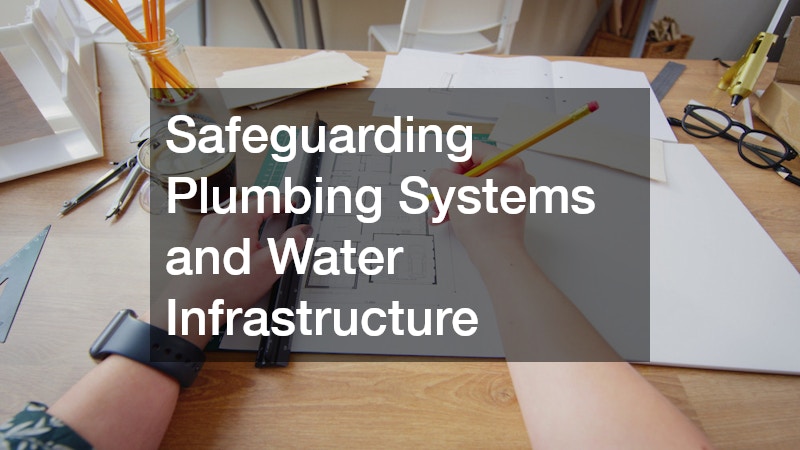
Water damage stands as one of the most frequent, destructive, and costly causes of commercial property loss. A burst water main, frozen interior pipe network, backflow valve failure, or ruptured fire sprinkler line can unleash thousands of gallons of water within minutes. This rapid flooding destroys electronic equipment, ruins floor coverings, damages furniture, and weakens structural framing across multiple floors. Building management must maintain clear, accessible schematics of all interior and exterior plumbing lines, complete with labeled shutoff valves and isolation controls.
Having pre-arranged response agreements with skilled local plumbers ensures immediate professional intervention when sudden plumbing failures threaten building infrastructure. Certified plumbers conduct preventative backflow testing, inspect pipe insulation ahead of winter freezes, clear main sewer lines, and utilize advanced leak detection technology to uncover hidden pipe corrosion. Swift plumbing mitigation stops catastrophic flooding at the source, protecting valuable office technology and preserving essential sanitation infrastructure during critical property events.
Restoring Interior Structures and Moisture Mitigation
When water intrusion, structural impact, or localized fires damage interior building spaces, structural restoration must begin immediately to prevent secondary environmental hazards. Water-saturated drywall weakens structural wall frameworks, fosters rapid mold proliferation, creates airborne health hazards, and completely halts interior business operations. Engaging certified commercial drywall contractors ensures that damaged wallboard, acoustic ceiling tiles, and partition walls are safely removed and replaced according to strict industry standards.
Professional drywall crews utilize industrial moisture detection tools to evaluate moisture retention inside wall cavities before installing new material. They install high-grade moisture-resistant and fire-rated drywall panels, followed by professional taping, mudding, and finishing. Rapid interior reconstruction allows commercial tenants to return to clean, safe work environments quickly while maintaining full compliance with local building codes, fire separation requirements, and occupational safety guidelines across the property.
Building Power Resilience with Renewable Solar Microgrids
Power disruptions during severe natural disasters can completely immobilize business operations, corrupt digital files, and compromise temperature-sensitive storage systems. To maintain continuous power during utility grid failures, progressive commercial property owners are combining traditional emergency generators with modern renewable energy systems and battery storage technology. Investing in commercial solar installations offers facilities a reliable, independent power generation source that continues producing electricity even during broad electrical grid outages.
These clean energy systems, coupled with battery storage solutions, allow commercial properties to power critical operations such as security systems, emergency lighting, communication hubs, and refrigeration units without total reliance on fossil fuel generators. Routine technical evaluations ensure that rooftop solar panels, mounting racks, and electrical inverters remain structurally secure and ready to perform before, during, and after severe weather events strike the area.
Maintaining Indoor Environmental Quality and Climate Control
Maintaining precise climate control and clean indoor ventilation is vital during commercial emergency operations. Storms, flooding, and regional utility outages frequently cause severe heating and cooling disruptions, leading to extreme indoor temperatures, dangerous humidity spikes, and airborne contaminant distribution throughout the building. Partnering with a licensed HVAC contractor allows property administrators to protect complex heating, ventilation, and air conditioning systems from severe weather damage and power surges.
Specialized HVAC technicians perform routine filter replacements, inspect rooftop air handlers, clean condenser coils, balance system pressure, and execute emergency repairs during equipment failures. Proper ventilation maintenance prevents mold spores from spreading through air ducts after water incidents, protects delicate server infrastructure from overheating, and ensures safe, breathable indoor air quality for occupants who must shelter inside the building during severe weather events.
Protecting Food Safety and Commercial Refrigeration Infrastructure
For commercial properties operating in hospitality, healthcare, food distribution, or corporate dining, operational continuity relies heavily on specialized refrigeration equipment. Electrical surges, water supply interruptions, or extended power outages can compromise commercial cooling systems, leading to severe inventory loss and public health non-compliance. Securing prompt commercial ice machine repair services ensures that ice production units and specialized cooling appliances are restored to safe operating standards immediately following an operational emergency.
Trained repair technicians inspect internal compressors, sanitize water supply lines, replace faulty electrical components, and verify that operating temperatures meet strict public health mandates. Maintaining fully functional cooling appliances protects valuable perishable inventory, supports ongoing food service operations, and ensures that facilities meet strict sanitation standards during emergency recovery efforts.
Physical Security, Access Control, and On-Site Monitoring
Physical security risks increase dramatically during natural disasters, power outages, and sudden facility evacuations. Unoccupied office buildings, damaged perimeter fencing, shattered windows, and disabled electronic access controls invite unauthorized entry, theft, and vandalism. Contracting a dedicated private security officer provides a physical presence, continuous perimeter patrols, and proactive risk monitoring when automated security systems go offline.
Trained security personnel manage site access points, direct emergency vehicles through property grounds, safeguard valuable physical assets, and offer reassurance to staff and contractors working on site. Maintaining dedicated physical security deters criminal activity, protects sensitive corporate records, and guarantees that emergency restoration teams can work safely inside and outside the facility throughout the post-disaster recovery phase.
Rapid Environmental Sanitation and Deep Building Cleanup
Once immediate structural and safety threats are contained, comprehensive interior cleanup and environmental restoration must begin without delay. Floodwaters, mud, storm debris, chemical spills, and biological contaminants present serious health hazards that require professional remediation techniques. Partnering with a professional cleaning company ensures that deep surface cleaning, hard floor restoration, soot extraction, and microbial disinfection take place according to environmental health standards.
Industrial-grade extraction machines, commercial air scrubbers, and specialized disinfectant solutions are deployed to eliminate harmful bacteria, mold spores, and odor-causing compounds. Professional cleaning teams restore safe indoor conditions rapidly, allowing commercial enterprises to resume normal operations without exposing staff, customers, or vendors to hazardous environmental conditions.
Supply Chain Management for Essential Sanitation Inventory
A well-structured emergency management playbook must incorporate clear protocols for stocking and replenishing essential cleaning chemicals and sanitation equipment. When widespread regional emergencies occur, commercial supply chains often experience significant delays, making emergency product procurement challenging or impossible. Facility managers must maintain dedicated emergency inventory closets stocked with high-grade janitorial supplies, including EPA-registered disinfectants, heavy-duty absorbent materials, microfiber cloths, personal protective gear, and industrial trash liners.
Having these supplies pre-stocked on-site empowers internal facility teams to initiate immediate cleanup operations long before external restoration teams arrive on the scene. Strategic supply management ensures that facility staff can maintain high standards of hygiene, process hazardous waste safely, and control contamination throughout extended disaster recovery periods.
Establishing Response Leadership and Operational Chains of Command
Physical infrastructure preparations are only effective when guided by a structured, clear operational management framework. Establishing a well-defined emergency chain of command ensures that decision-making remains swift, organized, and decisive during high-stress situations. Property managers must assign specific operational roles, designating emergency team leaders, safety compliance officers, tenant communications liaisons, and floor wardens across every building section.
Comprehensive disaster management plans must outline explicit, step-by-step procedures for emergency evacuations, shelter-in-place events, utility shutoffs, and emergency messaging broadcasts. Conducting regular staff training sessions and hands-on emergency simulation drills ensures that employees understand their responsibilities, reducing panic and response times when genuine crises occur. Clear documentation and accessible contact lists keep every team member aligned, focused, and prepared to execute recovery procedures smoothly.
Conducting Post-Disaster Inspections and System Audits
After an emergency event has passed and immediate cleanup is underway, facility administrators must execute thorough post-disaster audits before declaring a property fully operational. Inspecting core structural frames, utility connections, roof integrity, and mechanical networks ensures that hidden vulnerabilities do not pose long-term risks. Documenting all damage with high-resolution photography, thermal imaging, and detailed written logs provides essential evidence for insurance claims and municipal safety compliance checks.
These post-event evaluations also offer valuable data for refining the emergency operations playbook itself. Property managers should review vendor response times, evaluate internal communication effectiveness, and assess supply consumption rates. Identifying operational bottlenecks after an event allows organizations to strengthen emergency response protocols, upgrade vulnerable building systems, and refine vendor contracts, ensuring even greater resilience against future crises.
Building a Resilient Operational Future
Building an exceptional commercial disaster preparedness playbook requires dedicated foresight, strategic planning, and strong partnerships across multiple professional services. By systematically addressing roof integrity, outdoor pavement safety, interior plumbing protection, drywall reconstruction, power backup resilience, climate control maintenance, refrigeration services, site security, and deep sanitation, property managers build a robust operational fortress. Emergency preparedness is an ongoing commitment to risk management rather than a static document sitting on a shelf.
Commercial facilities that invest in routine preventative maintenance, maintain pre-negotiated vendor contracts, and keep essential sanitation supplies on hand recover far more quickly when unexpected crises strike. Taking concrete steps today to strengthen property resilience protects physical assets, safeguards business capital, and ensures the safety and well-being of building occupants for years to come.