

The commercial real estate market moves quickly. Large, sprawling corporate offices that once housed hundreds of employees for a single enterprise are sitting empty longer than expected. Property investors constantly look for innovative ways to generate revenue from these vacant spaces. One of the most profitable strategies involves breaking down massive square footage into high-end executive suites. These smaller, private offices cater to independent professionals, remote workers, and small startup teams who want premium amenities without the overhead of a massive building. Transforming an outdated corporate headquarters into a luxury working environment requires more than just erecting a few drywall partitions. It takes thorough planning, significant infrastructure upgrades, and a keen eye for design. Property developers must consider everything from fundamental utility upgrades to the final decorative touches. A successful conversion attracts stable tenants willing to pay top dollar for convenience and prestige. This guide explores the step-by-step process of turning an empty commercial property into a thriving hub of executive suites, ensuring the final product meets the high expectations of modern professionals.
Understanding the Legal and Administrative Shift
Before a single hammer swings, developers must address the legal framework of the new business model. Transitioning from a single-tenant property to a multi-tenant environment changes the fundamental structure of property management. Instead of managing one corporate entity on a ten-year commitment, property managers will juggle dozens of smaller contracts. This means the standard paperwork must undergo a complete overhaul. Every individual tenant will need a specialized office lease that clearly outlines their specific rights, responsibilities, and access to common areas. These documents must detail internet handling, conference room reservations, and building hours. Legal advisors often recommend structuring these agreements as flexible short term licenses rather than traditional long-term rentals, giving property owners more control over the space. Additionally, the financial structure of the agreements will look very different. Utilities and common area maintenance fees are usually bundled into a flat monthly rate for executive suites, unlike traditional commercial spaces where tenants pay for their exact usage. Local zoning laws and building codes might also classify multi-tenant executive suites differently than a single-occupancy warehouse or large headquarters. Developers must secure the proper municipal permits and ensure the building meets maximum occupancy regulations before starting any physical construction. Taking the time to establish a solid administrative foundation prevents costly legal disputes. It sets a highly professional tone for incoming tenants who expect a seamless, transparent onboarding experience from the very first day.
Powering the Modern Independent Workspace
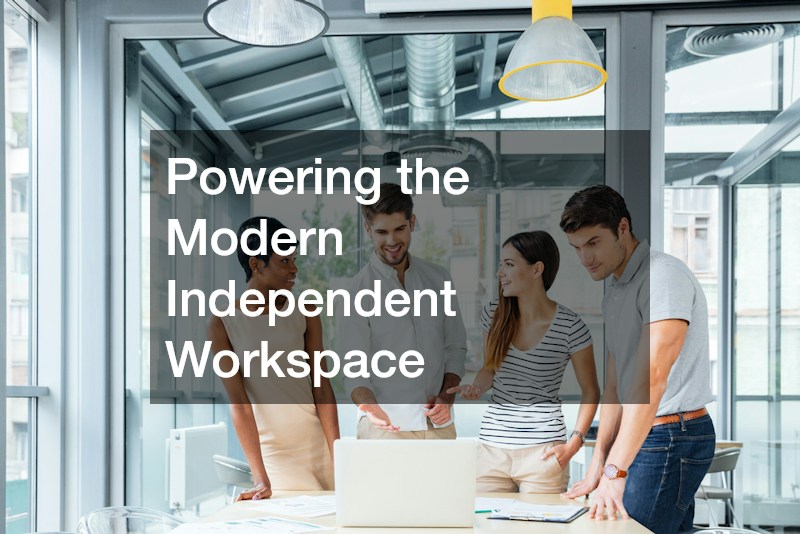
High-end executive suites live and die by their technological capabilities. Today’s professionals require uninterrupted power, high-speed internet, and flawless connectivity to conduct video calls, manage servers, and run their daily operations. A building wired for a massive open floor plan lacks the electrical distribution for thirty private offices. Each new suite needs its own dedicated outlets, reliable lighting, and sometimes individual circuit breakers. Overloading an old electrical grid by simply daisy-chaining power strips is a severe fire hazard and a massive violation of building codes. Property developers must bring in a licensed commercial electrical contractor to evaluate the existing panels and main power feeds. This professional will likely install sub-panels, upgrade the building’s amperage, and run new wiring through ceilings and walls. The contractor will also handle the installation of modern energy efficient lighting fixtures that reduce power consumption while providing a bright, inviting atmosphere. Hardwired data ports should be installed in every office, as wireless internet alone is rarely sufficient for tenants handling sensitive client data or large file transfers. A solid electrical and data infrastructure acts as the invisible backbone of the entire executive suite project. Without adequate power and seamless connectivity, even the most beautifully designed office space will fail to attract and retain serious business professionals.
Upgrading Essential Plumbing for Increased Occupancy
When occupancy levels rise, the strain on basic building utilities increases exponentially. A sprawling corporate floor might have only featured one set of restrooms designed for a specific head count. Converting that same floor space into multiple executive suites often draws a larger, more diverse group of daily users. Premium tenants expect premium amenities, such as fully stocked communal kitchens, break rooms, and updated restroom facilities. The existing water supply lines are rarely sufficient to handle this increased demand. Developers need to consult with an experienced commercial plumber early in the design phase. This expert can determine if the main water line requires upgrading or if the existing sewer connections can handle the added capacity safely. The plumber will also rough-in the water lines for new sinks, dishwashers, and ice makers in the communal break areas. High-end suites also benefit from touchless faucets, modern high-efficiency toilets, and elegant bathroom fixtures that elevate the overall aesthetic of the building. Ignoring plumbing limitations during the framing stage inevitably leads to tearing up newly finished walls later, destroying budgets. Proper water management ensures that the facility remains clean, functional, and pleasant for everyone working in the building on a daily basis.
Mastering Climate Control for Individual Comfort

Few things frustrate office workers more than uncomfortable room temperatures. In a massive open-concept layout, a single thermostat might control an entire floor, leaving some areas freezing. Executive suite tenants paying a premium monthly rate will not tolerate a lack of indoor climate control. They expect their private offices to remain perfectly comfortable year-round, regardless of what the weather is doing outside. Achieving this requires a sophisticated approach to heating and cooling. Developers cannot rely on the original layout of the ductwork. Instead, they must invest in comprehensive commercial hvac repair and systemic modification. Specialists in this field will balance the air distribution, installing smart zoning systems that allow occupants to adjust the temperature within their specific suites independently. In some cases, the existing rooftop units might be too old or undersized to push air through the newly created labyrinth of hallways and closed doors. The technicians will evaluate whether the existing compressors and air handlers can be salvaged or if a complete replacement is absolutely necessary. Proper ventilation is also a vital element, especially in smaller, enclosed offices, to prevent the air from becoming stale and to maintain a healthy indoor environment for all professionals working inside.
Securing the Investment with a Solid Building Envelope
Interior renovations quickly lose their value if the exterior shell of the building fails to keep the elements outside. Water intrusion is the natural enemy of drywall, expensive electronics, and luxury aesthetic finishes. Before developers pour money into glass partition walls and granite countertops, they must look up. A thorough inspection of the building’s top layer is absolutely non-negotiable. Engaging a reputable commercial roofing company ensures the property is completely watertight and structurally sound. These experts will search for blistering materials, clogged drainage systems, and weakened membranes that could lead to devastating leaks during the next heavy rainstorm. If the top of the building is flat, the contractors might recommend applying a reflective coating to improve energy efficiency. This specific upgrade helps lower the overall cooling costs for the new executive suites during the hot summer months. Securing the building envelope protects the substantial interior financial investments and prevents sudden, catastrophic disruptions to the tenants operating below. A pristine interior means very little if an unexpected storm causes rainwater to pour through the ceiling tiles directly onto a tenant’s expensive computer equipment. Preventative maintenance on the exterior shell acts as the ultimate insurance policy for the delicate interior build-out. Property owners should never cut corners when protecting the structural integrity of their commercial asset.
Enhancing Curb Appeal and Creating a Grand Entrance

First impressions are formed long before a prospective tenant walks through the front doors of the building. As clients and business professionals pull onto the property, they immediately judge the quality of the establishment based on its exterior upkeep. A neglected exterior strongly signals poor property management, which will quickly drive away high-paying tenants. The driveway and parking areas must be absolutely flawless. Developers must prioritize parking lot paving to remove potholes, smooth out asphalt, and establish painted directional lines. Creating designated visitor parking, handicap accessible spaces, and reserved VIP spots for premium tenants adds immense tangible value to the property. Once the vehicle is securely parked, the walk to the building should feel safe and highly welcoming. Upgrading the main entrance is another critical step in the entire conversion process. Installing a stylish commercial awning over the front doors not only protects incoming guests from unexpected rain and harsh sunlight but also adds a touch of architectural elegance to an otherwise plain building facade. This exterior structure can be fully customized to match the new color scheme of the executive suites, instantly elevating the building’s street presence. When the exterior looks immaculate, tenants feel proud to invite their own high-profile clients to the location for important meetings. Exterior aesthetics directly correlate to the maximum rental rates a property owner can successfully charge.
Establishing a Strong Brand Identity and Wayfinding
An executive suite complex needs a cohesive visual identity to separate it from a standard corporate office block. Tenants want to feel like they are part of an exclusive club or a highly prestigious business community. This goal requires thoughtful branding and clear directional cues placed strategically throughout the property. Navigating a maze of identical doors is frustrating for new tenants and visiting clients. Hiring a professional sign business is essential for creating a logical, attractive wayfinding system. These specialists will design and install exterior monument displays, lobby directories, and elegant metal or glass placards for every individual office door. Consistency in fonts, colors, and building materials reinforces the high-end nature of the newly renovated suites. Beyond permanent architectural fixtures, marketing the new spaces requires high-quality physical materials. Property managers will need thick brochures, presentation folders, and comprehensive welcome packets to hand to prospective renters during site tours. Partnering with a reliable print company ensures that all of these marketing materials look crisp, vibrant, and highly professional. From glossy floor plans to custom-branded lease jackets, tangible marketing items leave a lasting psychological impression on potential clients. A strong, recognizable brand presence, combined with easy building navigation, makes the entire facility feel organized, established, and ready for serious business operations.
Maintaining the Premium Standard Over Time

The real work does not stop once the construction dust finally settles and the building reaches full maximum occupancy. High-end executive suites demand constant, meticulous daily upkeep to retain their luxury appeal over the years. A multi-tenant building sees a tremendous amount of daily foot traffic compared to a single-use warehouse. Delivery drivers, visiting clients, and working professionals constantly move through the main lobby, shared hallways, and communal conference rooms. This high level of activity quickly takes a heavy toll on the flooring surfaces. Spilled coffee, tracked-in mud, and general friction can make an expensive property look cheap and neglected within just a few months. Property managers must establish a rigorous, non-negotiable maintenance schedule. Contracting with professional office carpet cleaning services is a vital part of this ongoing routine. Regular deep hot water extraction removes hidden dirt that standard vacuuming completely misses, preventing the carpet fibers from matting and extending the overall life of the expensive flooring investment. Clean, fresh-smelling carpets contribute significantly to the overall perception of cleanliness and extreme professionalism. Tenants paying premium monthly rates expect the common areas to look just as pristine on day three hundred as they did on day one. Consistent scheduled maintenance protects the physical interior assets and ensures tenant retention remains exceptionally high year after year.
Bringing the Executive Vision to Life
Converting outdated commercial real estate into high-end executive suites is a complex but highly rewarding financial endeavor. It requires a strategic long-term vision that looks beyond the existing floor plan to imagine a vibrant, multi-functional workspace. Property developers must prioritize accurate legal structuring, substantial mechanical infrastructure upgrades, and meticulous attention to both interior and exterior design details. By investing in reliable electrical power, adequate modern plumbing, and precise indoor climate control, owners create an ideal environment where independent professionals can easily thrive. Additionally, enhancing exterior curb appeal and maintaining strict interior cleanliness standards guarantees that the property remains highly competitive in a constantly shifting market. When executed correctly, a comprehensive executive suite conversion revitalizes stagnant, aging properties, generates diverse monthly revenue streams, and provides a much-needed operational resource for modern independent workers. With careful logistical planning and flawless physical execution, any vacant commercial building can find a profitable, prestigious new purpose for decades to come.