Repairing a commercial roof is a major investment, and understanding the costs involved helps business owners plan effectively and avoid unexpected expenses. Unlike residential roofs, commercial roofing systems are often larger, more complex, and built with specialized materials—making repair pricing highly variable. Whether your building has a flat roof, metal system, or commercial-grade shingles, knowing what influences cost is essential. Partnering with a reliable roof repair service ensures the work is done correctly while helping you navigate the budgeting process with clarity.
Below is a detailed look at the factors that impact the cost of repairing your business’s roof and what you can expect when seeking professional help.
The Type of Roofing Material on Your Building
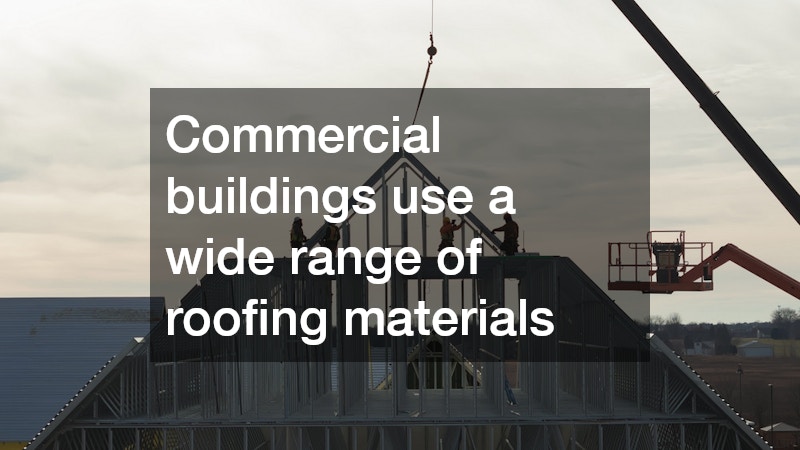
Commercial buildings use a wide range of roofing materials, each with its own repair requirements, lifespan, and pricing. Some common commercial roofing types include:
-
TPO (Thermoplastic Polyolefin)
-
EPDM (Rubber Roofing)
-
PVC Roofing
-
Modified Bitumen
-
Built-Up Roofing (BUR)
-
Metal Roofing Systems
-
Commercial Shingle Roofing
The material is one of the biggest cost indicators because each requires different tools, expertise, and time to repair. For example, patching EPDM membranes may be relatively simple, while repairing metal roofing or BUR systems can be more labor-intensive.
A professional roof repair service will evaluate the material type and provide an estimate based on its complexity.
The Size and Accessibility of Your Roof
Commercial roofs are typically much larger than residential roofs, which means more area to inspect, repair, and maintain. Larger roof surfaces require more labor hours—even for isolated repairs. In addition, accessibility can influence cost.
Factors such as:
-
Roof height
-
Presence of HVAC units
-
Safety requirements
-
Limited entry points
can require extra equipment or more workers. A skilled roof repair service will consider accessibility challenges when calculating labor time and safety needs.
The Extent and Severity of the Damage
Not all roof issues are created equal. Some problems—like small membrane punctures or isolated flashing damage—are relatively inexpensive to fix. Others, such as widespread leaks, extensive ponding, or compromised insulation, require more time and resources.
Common types of commercial roof damage include:
-
Punctures from foot traffic or sharp debris
-
Water infiltration and leaks
-
Storm-related damage
-
UV deterioration
-
Shrinkage or cracking of roofing membranes
A detailed inspection from your chosen roof repair service helps determine whether you’re dealing with simple spot repairs or a more involved project that could impact pricing.
Labor and Expertise Required
Commercial roofing repair often requires a higher level of expertise compared to residential projects. Technicians must understand safety protocols, specialized equipment, and the installation standards of various commercial roofing materials.
For this reason, labor costs may be higher. The number of workers needed, repair complexity, and time required all contribute to the final price. Reputable roof repair service providers ensure repairs are completed safely and correctly, preventing the need for costly fixes later.
Weather Conditions and Timing
Commercial roof repairs can be impacted by the time of year and weather conditions. Extreme heat, cold, rain, or snow can slow down repairs, require special materials, or delay project timelines. Emergency repairs—especially during storms—typically cost more due to labor demand and safety concerns.
If your business requires immediate assistance to prevent damage to inventory, equipment, or interior structures, an urgent response may increase the cost. However, acting quickly can save significantly more in the long run by preventing widespread damage.
Roofing Insulation and Underlayment Issues
Many commercial roofs incorporate insulation layers beneath the membrane or roofing material. If water infiltrates the system, insulation can become saturated and must be replaced. Removing and reinstalling insulation adds both materials and labor costs.
A professional roof repair service will check for hidden damage, which may not be obvious on the surface. Correcting insulation issues is essential for restoring roof performance and preventing future leaks.
The Need for Specialized Equipment
Some repairs require advanced tools such as heat welders, infrared moisture scanners, cranes, or safety harness systems. Flat roofs with multiple penetrations—such as HVAC systems, skylights, or ventilation pipes—often require more complex repair strategies.
These additional equipment needs can influence overall repair pricing. A qualified roof repair service will explain why certain equipment is necessary and how it affects cost.
Permit Requirements and Local Building Codes
Commercial roof repairs may require permits depending on the extent of the work and local regulations. Permits add to the overall cost, but they ensure the repair meets safety and compliance standards. Your roofing contractor should be familiar with local codes and handle the permitting process on your behalf.
Average Cost Ranges for Commercial Roof Repairs
While prices vary based on the factors above, business owners can use the following general guidelines:
-
Minor repairs (small leaks, patching, sealing): Lower cost range depending on material
-
Moderate repairs (flashing issues, multiple punctures, seam repairs): Mid-range cost
-
Major repairs (insulation damage, large leaks, structural repairs): Higher cost due to labor and materials
Keep in mind that commercial roofs often require periodic maintenance to prevent costly repairs. Regular inspections from a reliable roof repair service can help identify issues before they become emergencies.
How to Get an Accurate Estimate
The best way to understand the cost of repairing your business’s roof is to schedule a professional inspection. A trustworthy contractor will provide:
-
A detailed assessment of the damage
-
Photos or documentation of problem areas
-
A breakdown of labor and material costs
-
Recommendations for immediate and long-term solutions
Transparent pricing and honest communication help business owners make informed decisions that protect their investment.
Commercial roof repair costs vary widely, but understanding the factors involved makes budgeting easier. A dependable roof repair service will provide accurate estimates, quality workmanship, and long-term solutions to protect your building, employees, and operations. Investing in professional repairs now ensures your business stays safe, efficient, and structurally sound for years to come.