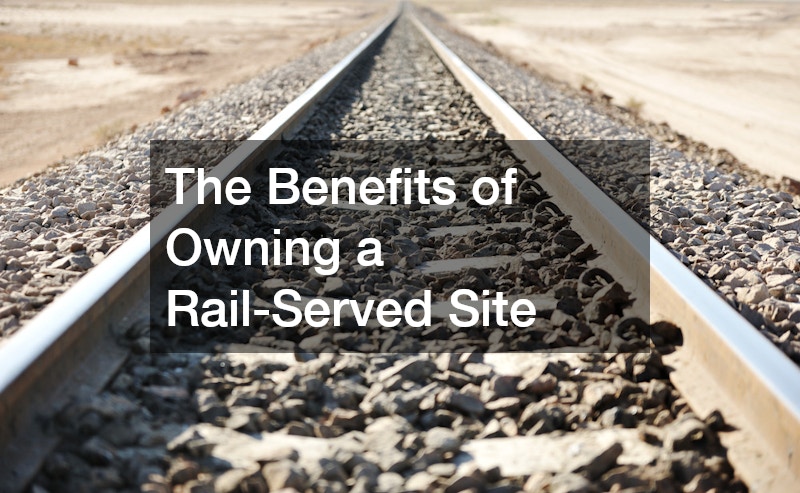

The concept of rail-served sites has been gaining traction in recent years due to the increased need for efficient and sustainable transportation methods. A rail-served site offers the unique advantage of having direct access to railway lines, which can significantly streamline logistics for businesses. Companies that rely on large-scale transportation of goods, such as those in the manufacturing or distribution sectors, find that investing in rail-served sites leads to notable operational efficiencies.
These sites are strategically located to facilitate easy loading and unloading of goods directly from train carriages to warehouses or stores. The availability of such a setup can enhance the speed and reliability of supply chains.
A prime example is seen in industries where time-sensitive delivery is crucial; rail-served sites can provide a more predictable transportation schedule compared to road networks, which are often plagued by congestion.
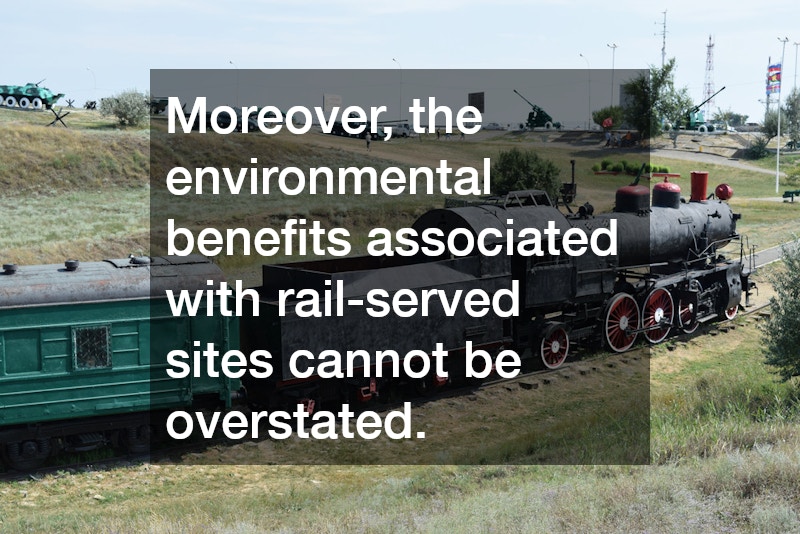
Moreover, the environmental benefits associated with rail-served sites cannot be overstated. Rail transport is inherently more fuel-efficient compared to road trucking, leading to a reduction in carbon emissions. Businesses focused on sustainability can leverage this aspect to not just cut costs but also to enhance their environmental profile. As the world leans towards greener practices, rail-served sites offer a viable path for businesses to align with global sustainability goals.
Economic Advantages of Rail-Served Sites
Economically, owning a rail-served site can be a game-changer for businesses looking to optimize their logistics cost. Rail transportation is often more cost-effective for bulk shipping than road transport, allowing companies to save significantly on shipping expenses. These savings can then be redirected to other crucial business areas, paving the way for growth and expansion.
In addition to direct cost savings, businesses on rail-served sites are in a stronger position to negotiate more favorable terms with partners and suppliers. The reliability and efficiency of rail transport mean that timelines are less likely to be missed, thus fostering better business relations. By interacting more predictably with supply chain partners, there is a potential for increased business opportunities, contributing to long-term economic stability.
Another economic aspect is the potential for enhanced property value. Properties with direct rail access are considered premium real estate, which can appreciate in value over time. As businesses expand or industries evolve, owning or investing in rail-served real estate offers robust returns and improved scope for future development projects.
Operational Efficiency Gained from Rail-Served Sites
Operational efficiency is markedly improved with rail-served sites, as businesses are able to expedite the transportation of goods in a seamless manner. The efficiency stems from the expedited loading and unloading procedures, which reduces time lags that frequently occur with traditional trucking methods. Such efficient operations empower businesses to adopt more just-in-time manufacturing or inventory management systems, ensuring they are agile and responsive to market demands.
With the reduced dependence on multiple modes of transportation, businesses using rail-served sites can streamline their logistics operations. Reducing the number of transfers from rail to road minimizes the potential for damage, loss, and errors, which often escalate operational costs. The availability of a direct link to rail networks also allows businesses to handle fluctuations in demand with greater ease, while ensuring consistency in product supply to end-users.
Furthermore, personnel efficiency is enhanced as employees engage less in manual handling and more in process optimization roles. This environment fostered by rail-served sites helps businesses focus on improving core operations, rather than spending resources managing complex transport arrangements. By investing in employee development in these highly specialized roles, companies can develop a competitive edge in their respective marketplaces.
Sustainability Aspects Inherent in Rail-Served Sites
Owning a rail-served site contributes significantly towards achieving sustainability objectives, a key aspect in today’s business environment. Rail transport’s lower emissions and higher fuel efficiency mean that businesses can drastically cut down their carbon footprint. Many companies leverage this aspect by integrating it into their corporate social responsibility frameworks, promoting their commitment to environmental stewardship.
The shift to rail-based logistics also reduces congestion on road networks, thus minimizing the wear and tear on public infrastructure. The reduced pressure on highways and roads can lead to lower maintenance costs for the government, which in turn may result in more favorable business tax conditions. This virtuous cycle fosters a business environment where sustainable practices not only benefit the environment but also offer economic gains.
Sustainability extends to community goodwill and brand enhancement as businesses that utilize rail-served sites can market themselves as environmentally conscious. By aligning their operational strategies with sustainable practices, companies can position themselves as leaders in their industry, building lasting customer relationships. Such strong positioning is crucial in capturing market share amongst increasingly eco-conscious consumers.
In conclusion, the myriad benefits of owning a rail-served site underline the strategic advantage it offers businesses across multiple industries. From economic savings to enhanced operational efficiency and sustainability, the advantages set businesses on a path for sustained growth and success. As the global economic landscape continues to evolve, it is evident that rail-served sites will play a pivotal role in redefining the parameters of industrial and logistic excellence.
Embracing this approach equips companies with the resilience required to navigate the challenges of today’s competitive business climate. Forward-thinking businesses that invest in rail-served sites demonstrate a commitment not only to their immediate needs but also to long-term sustainable and economic growth. Now more than ever, owning a rail-served site is not just a strategic choice but a vital component for any robust business model.
The transition to more sustainable and efficient logistics solutions, such as rail-served sites, signifies a hopeful direction towards a balanced economy and environment. By aligning infrastructural investments with rail services, businesses not only future-proof their operations but also contribute significantly to global sustainability efforts.