Building a new commercial property is a significant investment. Whether you are developing an office, retail location, warehouse, restaurant, or another business facility, the company you hire will influence nearly every part of the project. Experienced construction companies can coordinate materials, subcontractors, schedules, inspections, and many other moving pieces required to turn plans into a finished building.
Choosing a contractor should therefore involve more than comparing prices. Property owners should evaluate experience, communication, qualifications, project management practices, and the details included in each proposal before making a decision.
Define the Scope of Your Project First
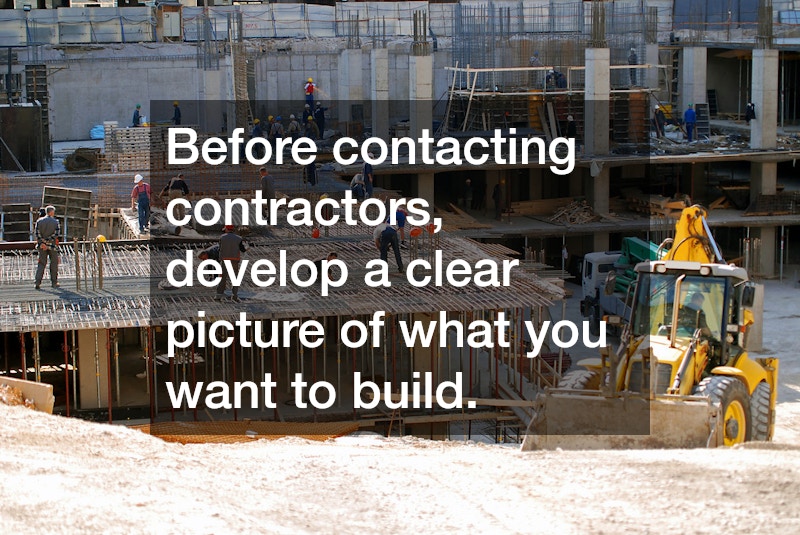
Before contacting contractors, develop a clear picture of what you want to build.
Consider the building’s approximate size, intended use, desired features, location, budget, and preferred completion date. You may already be working with an architect or engineer who can provide plans and specifications.
The more information you can provide, the easier it becomes for construction companies to evaluate the project accurately.
A clearly defined scope also makes comparing proposals easier. If every contractor is bidding on the same requirements, you can better understand differences in pricing and services.
Look for Relevant Commercial Experience
Commercial buildings can have very different construction requirements depending on how they will be used.
A warehouse may require large open spaces and loading areas, while a restaurant could require extensive plumbing, ventilation, electrical capacity, and kitchen infrastructure. Medical facilities and offices can have their own specialized needs.
Look for a contractor with experience completing properties similar to yours.
Ask to see examples of previous commercial projects and learn about their size, scope, and complexity. Relevant experience can be especially valuable when unexpected construction challenges arise.
Verify Licensing and Insurance
Before entering into an agreement, confirm that the contractor meets applicable licensing and insurance requirements.
Requirements vary by location, so property owners should understand what credentials are necessary for their particular project.
Ask potential construction companies for documentation rather than relying solely on verbal assurances. Appropriate insurance is also important because commercial construction involves workers, equipment, materials, and potentially hazardous activities.
Understanding these protections should be part of your contractor evaluation process.
Ask Who Will Manage the Project
The person who prepares your proposal may not be the person managing construction every day.
Ask who will serve as the project manager or site supervisor and how frequently that person will be on-site. You should also understand who will be your primary contact when questions arise.
Commercial projects often involve numerous subcontractors, including electricians, plumbers, HVAC technicians, concrete crews, roofers, and other specialists.
Someone needs to coordinate these trades and make sure each phase of construction happens in the correct order.
Compare Detailed Proposals
Price matters, but comparing only the final numbers can be misleading.
One contractor’s proposal might include services that another company’s bid leaves out. Request detailed proposals explaining labor, materials, equipment, site preparation, cleanup, permits, and other major costs.
Pay close attention to allowances as well. An allowance is often an estimated amount reserved for a product or service that has not been finalized.
If one proposal from the construction companies you are considering is dramatically lower than every other bid, ask why. A lower price could reflect different materials, exclusions, or assumptions about the project.
Discuss the Construction Schedule
Commercial property owners frequently have important deadlines.
You may need the building completed before a lease begins, an existing location closes, or a business opening is announced.
Ask contractors to provide an estimated project schedule showing major milestones. You should understand approximately when site preparation, foundation work, framing, mechanical installation, interior finishing, and other phases will occur.
Remember that schedules can change. Weather, inspections, material availability, design modifications, and unexpected site conditions can all create delays.
Ask how schedule changes will be communicated and managed.
Understand How Subcontractors Are Selected
Most commercial contractors do not personally perform every part of construction.
Instead, they hire specialized subcontractors for different trades. Ask potential contractors how they choose these companies and whether they regularly work with the same crews.
Established relationships between contractors and subcontractors can sometimes make coordination easier.
You should also understand who is responsible for supervising subcontractors and addressing problems with their work. The construction companies you are evaluating should be able to clearly explain how subcontractor management works.
Learn How Change Orders Work
Even carefully planned commercial projects can change after construction begins.
You may decide to modify a room layout, select different materials, add technology infrastructure, or upgrade certain finishes. Contractors may also discover unexpected site conditions requiring additional work.
These modifications are generally documented through change orders.
Ask how change orders are created, approved, and priced. Ideally, property owners should understand the financial and scheduling impact of a change before authorizing additional work.
Without a clear process, numerous small modifications can cause the project’s cost to increase substantially.
Ask About Permits and Inspections
Commercial construction projects may require numerous permits and inspections.
Requirements depend on the location and type of building, but they can involve zoning, structural work, plumbing, electrical systems, fire safety, accessibility, and other considerations.
Determine who will be responsible for obtaining permits and scheduling inspections.
Experienced construction companies should be familiar with the general approval process in the jurisdictions where they operate. However, property owners should still understand which responsibilities are included in the contract.
Permit or inspection delays can affect the overall construction schedule, making early planning important.
Review References and Previous Projects
Ask contractors for references from previous commercial clients.
When speaking with references, ask specific questions rather than simply asking whether they were satisfied.
Find out whether the contractor communicated consistently, handled problems professionally, managed costs effectively, and completed quality work. Ask whether there were significant delays and how those delays were addressed.
If possible, look at completed projects as well. Seeing finished work can provide additional insight into the contractor’s capabilities.
Establish a Communication Process
Communication can become especially important during a long construction project.
Determine how frequently you will receive progress reports and what information those updates will include. Some contractors may hold weekly meetings, while others use project management software, email reports, photographs, or a combination of methods.
You should know who to contact if you have a question about the budget, schedule, or work taking place on-site.
The best construction companies should be able to communicate complicated construction issues in a way that property owners can understand.
Plan for Unexpected Expenses
Even detailed construction plans cannot eliminate every surprise.
Excavation may uncover unexpected soil conditions. Material prices can change. Certain products may become unavailable. Additional work may be necessary to satisfy inspection requirements.
Property owners should generally avoid budgeting every available dollar toward the original construction estimate.
Having additional funds available for unforeseen conditions can prevent one unexpected issue from disrupting the entire project.
Discuss potential financial risks with your contractor before work begins so you understand which parts of the project contain the greatest uncertainty.
Choose Carefully Before Construction Begins
Building a new commercial property requires careful coordination from the earliest planning stages through final inspections. The contractor you select will be responsible for organizing many of the people and resources necessary to complete that process.
Research your options, compare detailed proposals, investigate previous work, and ask questions about scheduling, subcontractors, change orders, communication, and costs.
Taking additional time to evaluate construction companies before signing a contract can help establish clearer expectations and create a stronger foundation for the entire construction project.